
Should You Send That Tick to a Lab? What Tick Testing Can and Cannot Tell You

Pull an engorged tick off your child and the internet will offer to test it for a fee. It feels like the responsible move — but tick testing is one of those ideas that sounds more useful than it is, and the CDC generally recommends against using it to make treatment decisions. Here is why, […]
How to Make Your Yard Hostile to Ticks (Without Spraying Everything)

Most tick encounters do not happen on wilderness hikes — they happen at the edges of ordinary yards. The good news: ticks are picky about habitat, and a few landscaping decisions make a yard genuinely hostile to them. Medically reviewed by Elyssa A. Blissenbach, MD, board-certified internal medicine physician. Understand Where Ticks Actually Live Ticks […]
DEET vs. Picaridin vs. Permethrin: What Actually Keeps Ticks Off

The repellent aisle is crowded, the labels are confusing, and much of what is marketed for “bugs” is aimed at mosquitoes, not ticks. Here is the evidence-based short list — and the strategy that combines them properly. Medically reviewed by Elyssa A. Blissenbach, MD, board-certified internal medicine physician. DEET: The Benchmark DEET at concentrations of […]
When Is Tick Season in Florida and Georgia? A Month-by-Month Reality Check
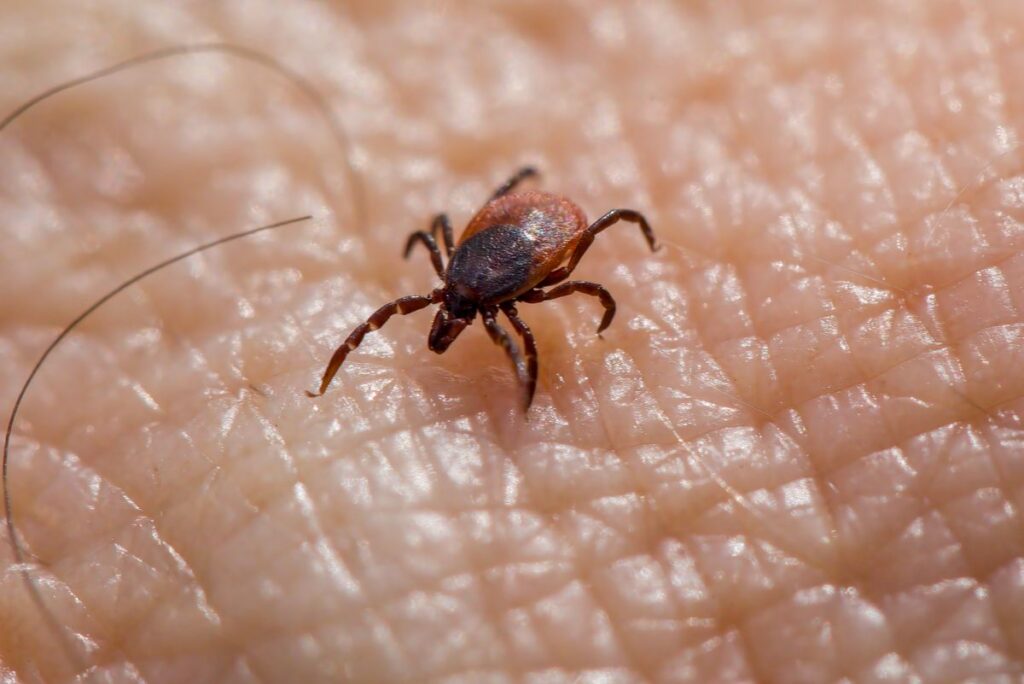
Ask a New Englander about tick season and they will say summer. In the Southeast, the honest answer is longer and less comfortable: our mild winters mean tick activity never fully stops — it just changes shape through the year. Medically reviewed by Elyssa A. Blissenbach, MD, board-certified internal medicine physician. Spring Through Early Summer: […]
7 Lyme Disease Myths That Delay Diagnosis (and the Facts)
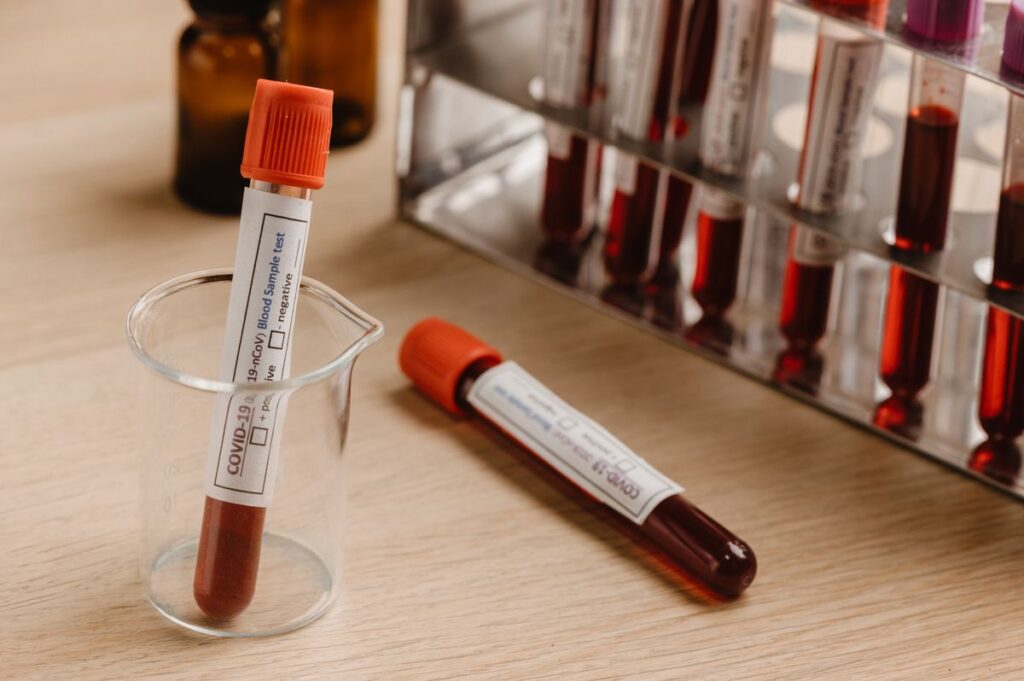
Much of what people “know” about Lyme disease is outdated or simply wrong — and these myths have real costs, because they delay diagnosis and treatment. Here are the seven we correct most often in clinic. Medically reviewed by Elyssa A. Blissenbach, MD, board-certified internal medicine physician. Myth 1: No Bullseye Rash Means No Lyme […]
Bitten by a Tick? Do These 5 Things in the Next 72 Hours
Finding an attached tick triggers two common mistakes: panic (burning it off with a match, smothering it in petroleum jelly) and complacency (flicking it away and forgetting it). The right response takes ten minutes and dramatically improves your odds. Medically reviewed by Elyssa A. Blissenbach, MD, board-certified internal medicine physician. 1. Remove It Correctly — […]
Can You Get Lyme Disease Twice? Reinfection vs. Relapse
Surviving one bout of Lyme disease does not make you immune. Patients are often surprised — and dismayed — to learn that a new tick bite can start the whole process over again. Understanding the difference between reinfection and relapse also clears up one of the most confusing situations in Lyme care. Medically reviewed by […]
Feeling Worse After Starting Lyme Treatment? The Herxheimer Reaction Explained
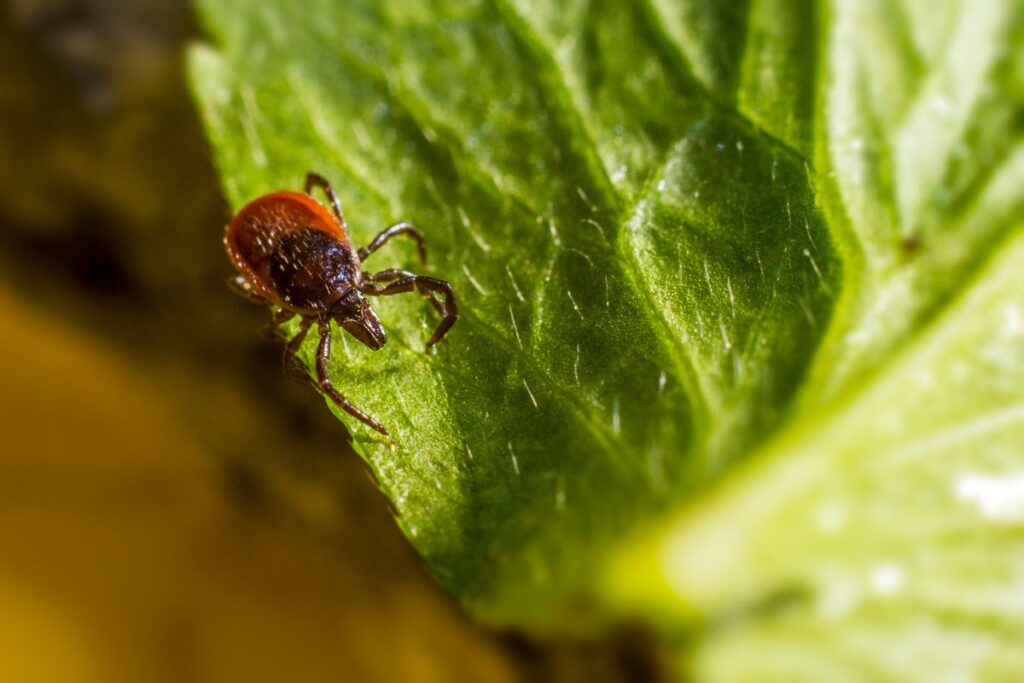
You finally get a Lyme disease diagnosis, start antibiotics — and within a day or two you feel worse: chills, aches, fatigue, maybe a low fever. It feels like the treatment is failing. Often, it is the opposite. Medically reviewed by Elyssa A. Blissenbach, MD, board-certified internal medicine physician. What a Jarisch-Herxheimer Reaction Is When […]
Lyme Disease During Pregnancy: Risks, Treatment, and Reassurance
A tick bite during pregnancy is frightening, and much of what circulates online makes it more so. Here is what the evidence actually shows: with prompt recognition and appropriate antibiotics, outcomes for both mother and baby are overwhelmingly good. Medically reviewed by Elyssa A. Blissenbach, MD, board-certified internal medicine physician. What We Know About Risk […]
Lyme Disease in Children: What Parents Should Watch For
Children spend more time playing outside, closer to the ground, and in exactly the kinds of grassy and wooded places ticks favor — which is why school-age children have some of the highest rates of Lyme disease of any age group. The good news for worried parents: children respond very well to treatment when the […]