
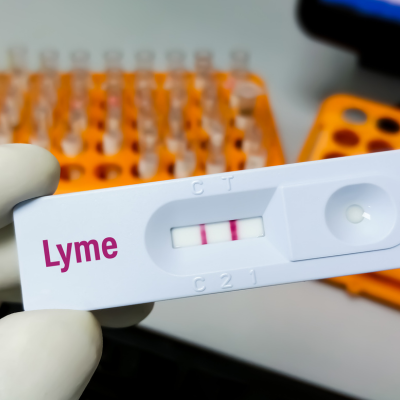
When traditional antibiotic treatments for Lyme disease fall short, patients in Jacksonville and throughout Northeast Florida have access to an advanced therapeutic approach: the Horowitz Dapsone Protocol. At Northeast Florida Internal Medicine, Dr. Elyssa Blissenbach is the only Jacksonville practitioner certified in this specialized treatment protocol, offering hope to patients struggling with persistent Lyme disease symptoms.
Understanding the Dapsone Protocol
The Horowitz Dapsone Protocol, developed by Dr. Richard Horowitz, represents a significant advancement in Lyme disease treatment. This protocol specifically targets persister cells—dormant bacteria that can evade standard antibiotic therapy and contribute to chronic Lyme disease symptoms. Unlike conventional treatment approaches, the Dapsone Protocol addresses the complex mechanisms that allow Lyme bacteria to survive traditional antibiotics.
Dapsone, originally developed as an antimicrobial agent, has shown remarkable efficacy when combined with specific complementary medications. The protocol works by disrupting the bacterial cell wall synthesis and targeting metabolically inactive bacteria that traditional antibiotics cannot effectively eliminate. This multi-pronged approach often produces results where other treatments have failed.
Why Standard Antibiotics May Not Be Enough
Lyme disease bacteria (Borrelia burgdorferi) have evolved sophisticated survival mechanisms. When threatened by antibiotics, these bacteria can transform into persister cells—dormant forms that are metabolically inactive and therefore resistant to standard antibiotic therapy. These persister cells can remain viable for extended periods, potentially reactivating and causing symptoms to return even after apparently successful treatment.
Research has demonstrated that Borrelia bacteria can also form biofilms—protective communities of bacteria encased in a matrix that shields them from both antibiotics and the immune system. Additionally, the bacteria can exist in different morphological forms, including round body forms (also called cyst forms) and intracellular forms, each requiring different therapeutic approaches.
For patients who have undergone multiple courses of standard antibiotic therapy without achieving sustained improvement, the persistence of these treatment-resistant bacterial forms may be the underlying cause. The Dapsone Protocol specifically addresses these resilient bacterial populations.
How the Horowitz Dapsone Protocol Works
The Horowitz Dapsone Protocol combines dapsone with other carefully selected medications to create a synergistic effect. While the specific combination and dosing are tailored to each patient’s individual needs, the protocol typically includes:
- Dapsone: The core medication that targets persister cells and biofilm-protected bacteria
- Rifampin: An antibiotic that penetrates biofilms and works synergistically with dapsone
- Additional supportive medications: Selected based on the patient’s specific symptom profile and co-infections
The protocol is administered in carefully controlled cycles, allowing the body to respond while minimizing potential side effects. Dr. Blissenbach monitors patients closely throughout the treatment process, adjusting medications as needed based on clinical response and laboratory findings.
Who Should Consider the Dapsone Protocol
The Dapsone Protocol may be particularly beneficial for patients who:
- Have completed multiple courses of standard antibiotic therapy without sustained improvement
- Experience persistent neurological symptoms such as brain fog, neuropathy, or cognitive dysfunction
- Continue to suffer from debilitating fatigue despite previous treatment
- Have documented evidence of Lyme disease but incomplete response to conventional therapy
- Show signs of biofilm-related infections or persister cell populations
- Have chronic joint pain and inflammation that hasn’t responded to other treatments
Dr. Blissenbach conducts a comprehensive evaluation before recommending the Dapsone Protocol, ensuring it’s appropriate for each patient’s unique situation. This evaluation includes detailed medical history, current symptom assessment, laboratory testing, and review of previous treatment responses.
The Treatment Process at Northeast Florida Internal Medicine
Beginning the Dapsone Protocol requires careful preparation and monitoring. Dr. Blissenbach follows a structured approach:
Initial Assessment
The process begins with a thorough evaluation that includes comprehensive laboratory testing. This may include tests for G6PD deficiency (a crucial pre-treatment screening), complete blood count, liver function tests, and assessment for co-infections that may influence the treatment protocol.
Treatment Initiation
The protocol typically starts with lower doses that are gradually increased based on patient tolerance and response. This “start low, go slow” approach helps minimize potential side effects while allowing the body to adjust to the medication.
Ongoing Monitoring
Regular follow-up appointments and laboratory monitoring ensure patient safety and treatment efficacy. Dr. Blissenbach tracks symptom changes, monitors for potential side effects, and adjusts the protocol as needed to optimize results.
Supportive Care
The protocol is complemented by supportive measures including detoxification support, nutritional optimization, and management of Herxheimer reactions (temporary symptom flares that can occur as bacteria are eliminated).
Expected Outcomes and Timeline
While individual responses vary, many patients begin experiencing improvement within the first few months of treatment. However, the complete protocol often requires six months to a year or longer, depending on disease severity and individual factors.
Patients commonly report improvements in:
- Energy levels and reduction in debilitating fatigue
- Cognitive function, including decreased brain fog and improved memory
- Joint pain and inflammation
- Neurological symptoms such as neuropathy and headaches
- Overall quality of life and ability to resume normal activities
It’s important to understand that treatment response is not always linear. Some patients experience initial improvement followed by plateaus or temporary setbacks before continuing to progress. Dr. Blissenbach’s experience with the protocol allows her to guide patients through these variations in response.
Safety Considerations and Side Effects
Like all medical treatments, the Dapsone Protocol requires careful monitoring for potential side effects. The most important consideration is screening for G6PD deficiency, as dapsone can cause hemolytic anemia in patients with this genetic condition. This is why comprehensive pre-treatment laboratory work is essential.
Potential side effects may include:
- Mild anemia (monitored through regular blood work)
- Herxheimer reactions (temporary symptom flares indicating bacterial die-off)
- Gastrointestinal symptoms
- Headache
- Skin reactions (rare)
Dr. Blissenbach’s extensive experience with the protocol enables her to differentiate between expected treatment responses and concerning side effects, ensuring patient safety throughout the treatment course.
Why Choose Dr. Blissenbach for Dapsone Protocol Treatment
As the only Jacksonville practitioner trained in the Horowitz Dapsone Protocol, Dr. Blissenbach brings unique expertise to Lyme disease treatment in Northeast Florida. Her certification as a Lyme Literate Medical Doctor (LLMD) and specific training in this advanced protocol provide patients with access to cutting-edge treatment approaches.
Dr. Blissenbach’s approach extends beyond simply administering the protocol. She provides comprehensive Lyme disease care that addresses:
- Co-infections that often accompany Lyme disease
- Immune system support and optimization
- Nutritional and lifestyle factors that influence treatment outcomes
- Psychological and emotional aspects of chronic illness
- Coordination with other healthcare providers as needed
Accessibility Through Telemedicine
Dr. Blissenbach is licensed to practice in Florida, Georgia, South Carolina, Alabama, Virginia, and North Carolina, making the Dapsone Protocol accessible to patients throughout the Southeast. Through telemedicine appointments, patients can receive expert care without the burden of frequent travel to Jacksonville.
This telemedicine capability is particularly valuable for Lyme disease patients who may experience fatigue and other symptoms that make travel challenging. Initial consultations and follow-up appointments can be conducted virtually, with in-person visits arranged when necessary for specific procedures or examinations.
Insurance and Cost Considerations
Treatment costs vary depending on individual patient needs, duration of therapy, and insurance coverage. While some insurance plans may cover portions of the treatment, Lyme disease therapy can involve out-of-pocket expenses. The staff at Northeast Florida Internal Medicine can provide detailed information about costs and work with patients to develop financially manageable treatment plans.
Many patients find that the investment in effective treatment yields significant returns in terms of improved health, restored functionality, and enhanced quality of life. The ability to return to work, enjoy family activities, and reclaim one’s life from chronic illness represents value that extends far beyond financial considerations.
Taking the Next Step
If you’ve struggled with persistent Lyme disease symptoms despite previous treatment, the Dapsone Protocol may offer a path forward. The first step is scheduling a comprehensive evaluation with Dr. Blissenbach to determine if this advanced treatment approach is right for you.
Contact Northeast Florida Internal Medicine at 904-387-4050 to schedule your consultation. The practice is located at 2065 Herschel Street in Jacksonville, Florida, and welcomes patients from throughout the region and Southeast.
During your initial consultation, Dr. Blissenbach will review your medical history, current symptoms, previous treatments, and diagnostic testing to develop a comprehensive understanding of your condition. She will explain the Dapsone Protocol in detail, answer your questions, and help you understand what to expect throughout the treatment process.
Hope for Persistent Lyme Disease
Living with chronic Lyme disease can be isolating and frustrating, particularly when conventional treatments fail to provide lasting relief. The Horowitz Dapsone Protocol represents hope for patients who have been told “there’s nothing more we can do” or who have exhausted standard treatment options.
Dr. Blissenbach’s expertise with this specialized protocol, combined with her comprehensive approach to Lyme disease treatment, provides Jacksonville and Northeast Florida patients with access to care that rivals major metropolitan medical centers. Her dedication to staying current with the latest advances in Lyme disease treatment ensures that patients receive the most effective therapies available.
Don’t let persistent Lyme disease symptoms control your life. Explore the possibilities that the Dapsone Protocol may offer. With proper evaluation, careful monitoring, and expert guidance, many patients find significant improvement and renewed hope for recovery.
Northeast Florida Internal Medicine is committed to providing advanced, evidence-based treatment for Lyme disease and tick-borne illnesses. Dr. Elyssa Blissenbach welcomes new patients and consultation requests from throughout Florida, Georgia, South Carolina, Alabama, Virginia, and North Carolina.