
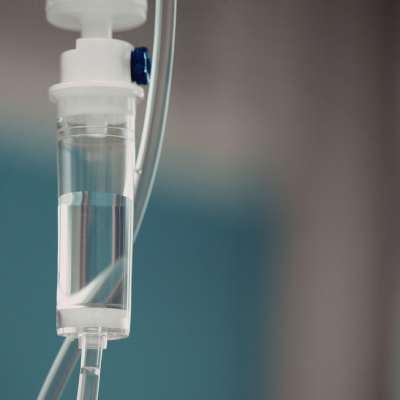
For some Lyme disease patients, oral antibiotics alone may not be sufficient to achieve recovery. Intravenous (IV) antibiotic therapy represents a more intensive treatment approach that can be crucial for patients with neurological Lyme disease, severe symptoms, or inadequate response to oral medications. At Northeast Florida Internal Medicine, Dr. Elyssa Blissenbach provides expert evaluation and management of IV antibiotic therapy for Lyme disease patients who need this advanced treatment option.
Understanding IV Antibiotic Therapy
Intravenous antibiotic therapy delivers medications directly into the bloodstream through a catheter placed in a vein. This delivery method achieves higher blood concentrations of antibiotics compared to oral administration and ensures complete bioavailability of the medication. For certain infections and patient populations, IV therapy offers significant advantages over oral treatment.
In Lyme disease treatment, IV antibiotics are most commonly used when oral medications have proven insufficient or when the infection has progressed to involve the central nervous system (neuroborreliosis). The most frequently used IV antibiotics for Lyme disease include ceftriaxone (Rocephin), cefotaxime (Claforan), and penicillin G.
IV therapy typically requires placement of a PICC line (peripherally inserted central catheter) or other central venous access device. These catheters allow for weeks or months of IV antibiotic administration without the need for repeated venipunctures. Patients or their caregivers can be trained to administer IV antibiotics at home, making extended therapy practical and cost-effective.
When IV Antibiotics May Be Necessary
Not all Lyme disease patients require IV antibiotic therapy. Dr. Blissenbach carefully evaluates each patient’s clinical situation to determine whether IV treatment is medically indicated. Common scenarios where IV therapy may be recommended include:
Neurological Lyme Disease
When Lyme disease bacteria invade the central nervous system, IV antibiotics are often necessary to achieve adequate antibiotic concentrations in the brain and spinal cord. Neurological manifestations that may warrant IV therapy include:
- Lyme meningitis: Inflammation of the membranes surrounding the brain and spinal cord
- Cranial nerve palsies: Particularly facial nerve palsy (Bell’s palsy-like symptoms)
- Radiculoneuritis: Inflammation of nerve roots causing severe pain
- Encephalitis: Brain inflammation causing cognitive changes, confusion, or seizures
- Peripheral neuropathy: Nerve damage causing numbness, tingling, or burning sensations
- Severe cognitive dysfunction: Significant memory problems, processing difficulties, or mental confusion
The blood-brain barrier limits penetration of many oral antibiotics into the central nervous system. IV antibiotics, particularly ceftriaxone, achieve better penetration into cerebrospinal fluid and brain tissue, making them more effective for neurological Lyme disease.
Inadequate Response to Oral Antibiotics
Patients who have completed adequate courses of oral antibiotics without achieving satisfactory improvement may benefit from IV therapy. This is particularly true when:
- Multiple courses of different oral antibiotics have been tried without success
- Initial improvement occurred but was not sustained
- Symptoms are severe and significantly impact quality of life
- Laboratory or clinical evidence suggests active, persistent infection
The higher antibiotic concentrations achieved with IV therapy may be necessary to effectively target bacteria that have survived oral antibiotic treatment, particularly bacteria in biofilm form or in privileged anatomical sites.
Severe Cardiac Involvement
Lyme carditis (cardiac involvement) can cause heart block, arrhythmias, and inflammation of the heart muscle. Severe cardiac manifestations often require IV antibiotic therapy, sometimes in a hospital setting for close monitoring.
Severe Arthritis
While most cases of Lyme arthritis respond to oral antibiotics, severe or antibiotic-refractory Lyme arthritis may benefit from IV therapy. This is particularly relevant when joint inflammation persists despite adequate oral antibiotic courses.
Malabsorption or Inability to Take Oral Medications
Patients with gastrointestinal conditions that impair antibiotic absorption, or those who cannot tolerate oral medications due to nausea, vomiting, or other GI symptoms, may require IV therapy to ensure adequate antibiotic delivery.
Types of IV Access and Administration
Several options exist for IV antibiotic delivery, each with specific advantages and considerations:
PICC Lines
Peripherally inserted central catheters (PICC lines) are the most common choice for extended IV antibiotic therapy. These catheters are inserted through a vein in the upper arm and threaded into a large central vein near the heart. PICC lines can remain in place for weeks to months and provide reliable venous access for daily antibiotic administration.
Advantages of PICC lines include:
- Can be placed in an outpatient setting
- Suitable for long-term therapy
- Allow for home administration of IV antibiotics
- Generally well-tolerated
Implanted Ports
For patients requiring very extended IV therapy (many months), an implanted port may be preferable. These devices are surgically placed under the skin and accessed with a special needle when medications need to be administered. Between uses, the port is completely under the skin, making it more convenient for active lifestyles.
Midline Catheters
Midline catheters are shorter than PICC lines and don’t reach the central circulation. They can be appropriate for intermediate-duration therapy (a few weeks) with certain medications.
The IV Therapy Process
Beginning IV antibiotic therapy involves several steps to ensure safe and effective treatment:
Pre-Treatment Evaluation
Before initiating IV therapy, Dr. Blissenbach conducts comprehensive evaluation including:
- Review of medical history and previous treatments
- Assessment of current symptoms and functional status
- Laboratory testing including complete blood count, liver and kidney function, and inflammatory markers
- Evaluation for contraindications to IV therapy
- Discussion of risks, benefits, and alternatives
Line Placement
Once the decision is made to proceed with IV therapy, arrangements are made for line placement. This is typically performed by an interventional radiologist or specially trained nurse in an outpatient setting. The procedure is done under local anesthesia and usually takes 30-60 minutes.
Patient and Caregiver Training
Before beginning home IV therapy, patients and caregivers receive comprehensive training from home health nurses. This training covers:
- Sterile technique for accessing the line
- Medication preparation and administration
- Line care and flushing procedures
- Recognition of complications
- Emergency procedures
Most patients and families become comfortable with the procedures after a few days of training and supervision.
Home Health Support
Home health agencies provide ongoing support throughout IV therapy, including:
- Delivery of medications and supplies
- Regular nursing visits for line care and assessment
- Laboratory draws when needed
- 24/7 on-call support for questions or concerns
Medical Monitoring
Dr. Blissenbach monitors patients closely throughout IV therapy through:
- Regular follow-up appointments (typically every 2-4 weeks)
- Periodic laboratory monitoring for side effects
- Assessment of treatment response and symptom changes
- Adjustment of treatment plan as needed
Duration of IV Antibiotic Therapy
The appropriate duration of IV antibiotic therapy varies depending on individual patient factors. Treatment protocols may range from a few weeks to several months. Dr. Blissenbach determines treatment duration based on:
- Severity and duration of illness before treatment
- Presence of neurological involvement
- Response to previous treatments
- Clinical improvement during IV therapy
- Presence of co-infections
- Individual patient tolerance and response
Some patients may require only a few weeks of IV therapy followed by transition to oral antibiotics, while others may need extended IV treatment for optimal results. Treatment decisions are individualized and adjusted based on ongoing assessment of response.
Potential Side Effects and Complications
Like all medical interventions, IV antibiotic therapy carries potential risks that must be weighed against benefits:
Medication-Related Side Effects
- Herxheimer reactions: Temporary worsening of symptoms as bacteria die off
- Gastrointestinal effects: Nausea, diarrhea, or Clostridioides difficile infection
- Gallbladder complications: Ceftriaxone can cause biliary sludging or gallstones
- Allergic reactions: Rash, itching, or more serious allergic responses
- Liver enzyme elevations: Monitored through periodic blood tests
- Blood count changes: Monitored through regular complete blood counts
Line-Related Complications
- Infection: Either at the insertion site or bloodstream infection (sepsis)
- Blood clots: Formation of clots in the vein where the catheter is placed
- Mechanical problems: Line migration, breakage, or occlusion
- Bleeding or bruising: At the insertion site
Dr. Blissenbach and the home health team educate patients on recognizing signs of complications and provide clear instructions on when to seek immediate medical attention. Regular monitoring helps identify and address potential problems early.
Comparing IV and Oral Antibiotic Therapy
Understanding the differences between IV and oral therapy helps patients make informed decisions about their treatment:
Advantages of IV Therapy:
- Higher, more consistent blood concentrations of antibiotics
- Better penetration into the central nervous system
- 100% bioavailability (complete absorption)
- Can be more effective for severe or treatment-resistant infections
- Not affected by gastrointestinal absorption issues
Disadvantages of IV Therapy:
- Requires catheter placement and maintenance
- Higher risk of certain complications
- More complex administration process
- Often more expensive
- May be less convenient than oral medications
The decision to use IV therapy is made only when the potential benefits outweigh these additional risks and burdens.
Insurance Coverage and Financial Considerations
IV antibiotic therapy is generally more expensive than oral treatment due to the costs of line placement, medications, supplies, and home health services. However, most insurance plans cover medically necessary IV antibiotic therapy for Lyme disease, particularly when neurological involvement is documented.
Coverage may vary depending on:
- Specific insurance plan provisions
- Documentation of medical necessity
- Duration of therapy requested
- In-network versus out-of-network providers
The administrative staff at Northeast Florida Internal Medicine can assist with insurance verification and authorization processes. They work to ensure that patients understand their coverage and out-of-pocket costs before beginning therapy.
Transitioning from IV to Oral Therapy
Many patients eventually transition from IV to oral antibiotic therapy as their condition improves. This transition is planned carefully to maintain therapeutic momentum while reducing treatment intensity. The timing of transition depends on:
- Resolution or significant improvement of neurological symptoms
- Overall clinical improvement and stability
- Duration of IV therapy completed
- Individual patient response patterns
Some patients may continue oral antibiotics for weeks or months after completing IV therapy, while others may gradually reduce treatment intensity. Dr. Blissenbach develops individualized plans for each patient based on their specific clinical situation.
Life During IV Therapy
While IV antibiotic therapy requires adjustments to daily routines, most patients are able to maintain relatively normal activities. Considerations include:
- Work and school: Many patients continue working or attending school while on IV therapy, administering medications before or after their daily activities
- Exercise: Light to moderate exercise is generally fine, though contact sports and swimming should be avoided to protect the line
- Showering: Waterproof covers allow for showering while protecting the line site
- Travel: Short trips are possible with proper planning and medication storage
Home health agencies and Dr. Blissenbach’s office provide guidance on managing practical aspects of daily life while receiving IV therapy.
Success Rates and Outcomes
For appropriately selected patients, IV antibiotic therapy can produce significant improvements when oral antibiotics have failed. Patients with neurological Lyme disease often show substantial improvement in cognitive function, neuropathy, and other neurological symptoms with IV treatment.
However, it’s important to have realistic expectations. IV therapy is not a magic bullet, and recovery often continues to be gradual. Some patients experience dramatic improvement during or shortly after IV therapy, while others show more modest gains that accumulate over time. Factors influencing outcomes include:
- Duration of illness before treatment
- Severity of neurological involvement
- Presence of co-infections
- Overall health status and immune function
- Compliance with treatment protocols
Expert Guidance for IV Therapy Decisions
Determining whether IV antibiotic therapy is appropriate for your situation requires expert evaluation and judgment. Dr. Blissenbach’s experience with Lyme disease and IV therapy enables her to identify patients who are most likely to benefit from this treatment approach while avoiding unnecessary exposure to risks for those who can achieve good results with oral medications.
Her comprehensive approach considers not just the medical indications for IV therapy, but also practical factors like patient readiness, home support, and ability to manage the requirements of IV treatment. This holistic assessment ensures that treatment recommendations are both medically sound and practically feasible.
Taking the Next Step
If you’ve struggled with persistent Lyme disease symptoms despite oral antibiotic treatment, or if you’ve been diagnosed with neurological Lyme disease, IV antibiotic therapy may be an important consideration. The first step is a comprehensive evaluation to determine whether this treatment approach is right for you.
Contact Northeast Florida Internal Medicine at 904-387-4050 to schedule a consultation with Dr. Blissenbach. Located at 2065 Herschel Street in Jacksonville, Florida, the practice provides expert Lyme disease care including evaluation for and management of IV antibiotic therapy.
For patients in Florida, Georgia, South Carolina, Alabama, Virginia, and North Carolina, telemedicine consultations are available, with coordination of local resources for line placement and home health support when IV therapy is indicated.
Don’t let persistent Lyme disease symptoms control your life. Expert evaluation of your treatment options, including IV antibiotic therapy when appropriate, may provide the path to recovery you’ve been seeking. Dr. Blissenbach’s expertise ensures you receive evidence-based recommendations tailored to your specific clinical situation.