
Reviewed by Elyssa A. Blissenbach, MD, a board-certified internist. This article is for education and is not a substitute for medical advice.
One of the most frustrating experiences in medicine is feeling genuinely sick while your lab results come back “normal.” With Lyme disease this happens more often than many people realize, and it is not because the illness is imaginary. Understanding how Lyme testing works, and where it falls short, explains why a negative result does not always mean you are in the clear.
How Standard Lyme Testing Works
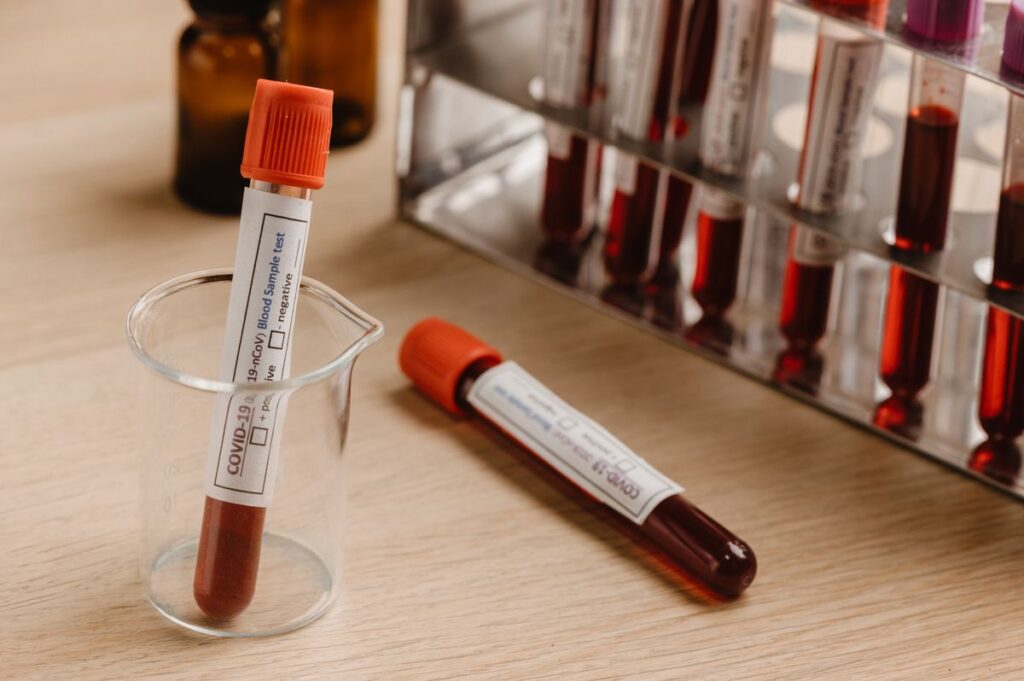
The most common approach is two-tier antibody testing. A first blood test (an ELISA) screens for antibodies your immune system makes against the Lyme bacteria. If that test is positive or borderline, a second, more specific test (a Western blot or a second immunoassay) is run to confirm it. The key detail is that these tests do not look for the bacteria itself. They look for your body’s antibody response to it.
Why the Test Misses Early Infection
Antibodies take time to build up, generally a few weeks. In the first days after a bite, your body may not have produced enough antibodies to register on the test yet. That creates a real window in which you can be infected and symptomatic but still test negative. This is why testing too early is a common reason for a false-negative result, and why doctors may treat early Lyme based on the rash and symptoms rather than waiting on bloodwork.
Other Reasons for a Negative Result
- Timing. Testing during that early antibody window can miss active infection.
- Early antibiotic use. Treatment can blunt the antibody response.
- Interpretation. Two-tier testing is designed to reduce false positives, which can come at the cost of missing some true cases.
- Co-infections. Ticks can transmit more than one organism, and other tick-borne illnesses will not show up on a Lyme test at all.
What a Negative Result Really Means
A negative test lowers the odds of Lyme, but it does not erase a compelling history and symptom picture (review the early signs of Lyme disease). Test results are one piece of the puzzle, not the whole answer. A physician experienced with tick-borne illness weighs your exposure, timeline, and symptoms alongside the labs, and may recommend repeat testing after the antibody window has passed.
Getting the Right Evaluation
If you have been told your labs are normal but you still feel unwell after possible tick exposure, it is reasonable to seek a more thorough, tick-borne-focused assessment rather than assuming the door is closed.
Get Evaluated by a Lyme-Literate Physician
Whether you are worried about a recent tick bite or dealing with symptoms that no one has been able to explain, an accurate evaluation is the most important step. Dr. Blissenbach provides Lyme disease diagnosis and treatment for patients in person in Northeast Florida and by telemedicine across Florida, Georgia, Alabama, South Carolina, North Carolina, and Virginia.
Contact our office to schedule an in-person or telehealth appointment.
Frequently Asked Questions
Can you have Lyme disease with a negative test?
Yes, particularly early on before antibodies have developed, or if testing was affected by early treatment. History and symptoms still matter.
How long should I wait to be tested after a tick bite?
Antibody testing is generally more reliable a few weeks after exposure. Your doctor may treat early symptoms without waiting, or retest later.
What is two-tier testing?
It is a screening blood test followed by a confirmatory test, both of which detect antibodies rather than the bacteria itself.
Should I be tested for other tick-borne infections too?
Often, yes. Ticks can carry more than one organism, and those infections require their own tests.
This article is informational and not a substitute for medical advice. If you have symptoms after possible tick exposure, seek prompt medical care.
Image: Photo via Pexels (pexels.com/photo/4248219)
One Response