
Reviewed by Elyssa A. Blissenbach, MD, a board-certified internist. This article is for education and is not a substitute for medical advice.
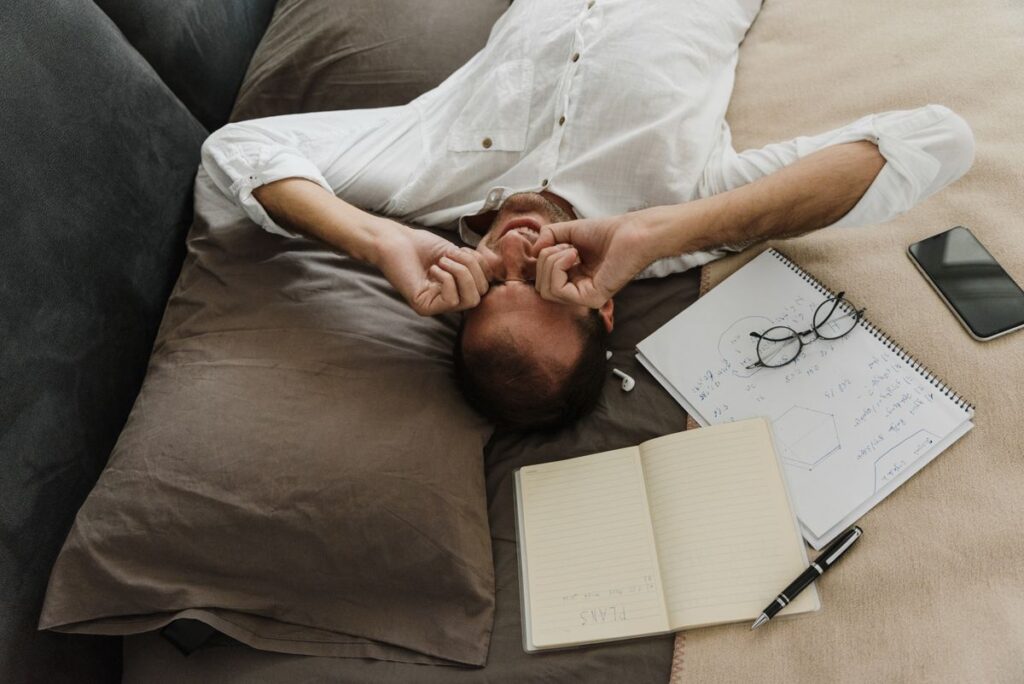
You had Lyme disease. You took the antibiotics. So why do you still feel terrible? For a meaningful group of patients, symptoms like crushing fatigue, aching joints and muscles, and foggy thinking drag on for months after treatment ends. This has a name, post-treatment Lyme disease syndrome (PTLDS), and if you are living with it, you are not imagining it and you are not alone.
What PTLDS Is
PTLDS describes symptoms that persist for six months or longer after completing standard antibiotic treatment for documented Lyme disease. The most common complaints are:
- Fatigue that rest does not fix
- Widespread musculoskeletal pain and joint aches
- Cognitive difficulties, the classic “brain fog” (covered in depth in how Lyme affects the brain and nerves)
- Sleep disturbance
How common it is depends on the study, with estimates ranging from a few percent of treated patients to considerably higher in some series. Whatever the true number, these patients exist in every Lyme practice.
Why It Happens
Researchers are still working this out, and there is likely more than one answer. Leading explanations include lingering immune activation that outlasts the infection, residual tissue damage from the illness, and, in some cases, questions about persistent infection or an undiagnosed co-infection, since ticks often carry more than one organism. It is also worth revisiting the original diagnosis: was it really Lyme alone, was treatment started late, or is something else going on entirely?
What a Thorough Re-Evaluation Looks Like
The wrong response to lingering symptoms is a shrug. A careful workup should revisit your exposure history and treatment timeline, screen for co-infections such as babesiosis and bartonellosis, and rule out unrelated conditions that mimic PTLDS, including thyroid disorders, anemia, sleep apnea, and autoimmune disease. Remember that Lyme test results have real limitations and need interpreting in context.
Can Anything Be Done?
Yes. While there is no single universal cure for PTLDS, an experienced physician can meaningfully improve quality of life by treating what is treatable: confirmed co-infections, sleep disruption, pain, and deconditioning, with a structured plan and honest expectations. For patients whose evaluation points to ongoing infection, chronic Lyme disease treatment options can be discussed candidly, including their evidence and trade-offs.
Get Evaluated by a Lyme-Literate Physician
Whether you are dealing with a recent tick bite or symptoms that have gone unexplained for months, an accurate evaluation is the most important step. Dr. Blissenbach provides Lyme disease diagnosis and treatment for patients in person in Northeast Florida and by telemedicine across Florida, Georgia, Alabama, South Carolina, North Carolina, and Virginia.
Contact our office to schedule an in-person or telehealth appointment.
Frequently Asked Questions
How long do symptoms last after Lyme treatment?
Most people recover fully within weeks to a few months. When significant symptoms persist beyond six months, the picture fits PTLDS and deserves re-evaluation.
Does lingering illness mean the antibiotics failed?
Not necessarily. Symptoms can persist even after the infection is cleared. That said, late treatment, co-infections, or a different diagnosis altogether should be considered.
Should I be tested for co-infections?
Often, yes. Ticks can transmit several organisms at once, and infections like babesiosis or bartonellosis will not respond to every Lyme regimen.
Is PTLDS the same as chronic Lyme disease?
The terms overlap in everyday use. PTLDS specifically describes persistent symptoms after documented, treated Lyme; “chronic Lyme” is used more broadly and sometimes more loosely.
This article is informational and not a substitute for medical advice. If you have symptoms after possible tick exposure, seek prompt medical care.
Image: Photo via Pexels (pexels.com/photo/5712080)
One Response